
Three Failed Businesses Later, This Is What Finally Worked
No hype, no "10x your income" nonsense—just what actually changed.

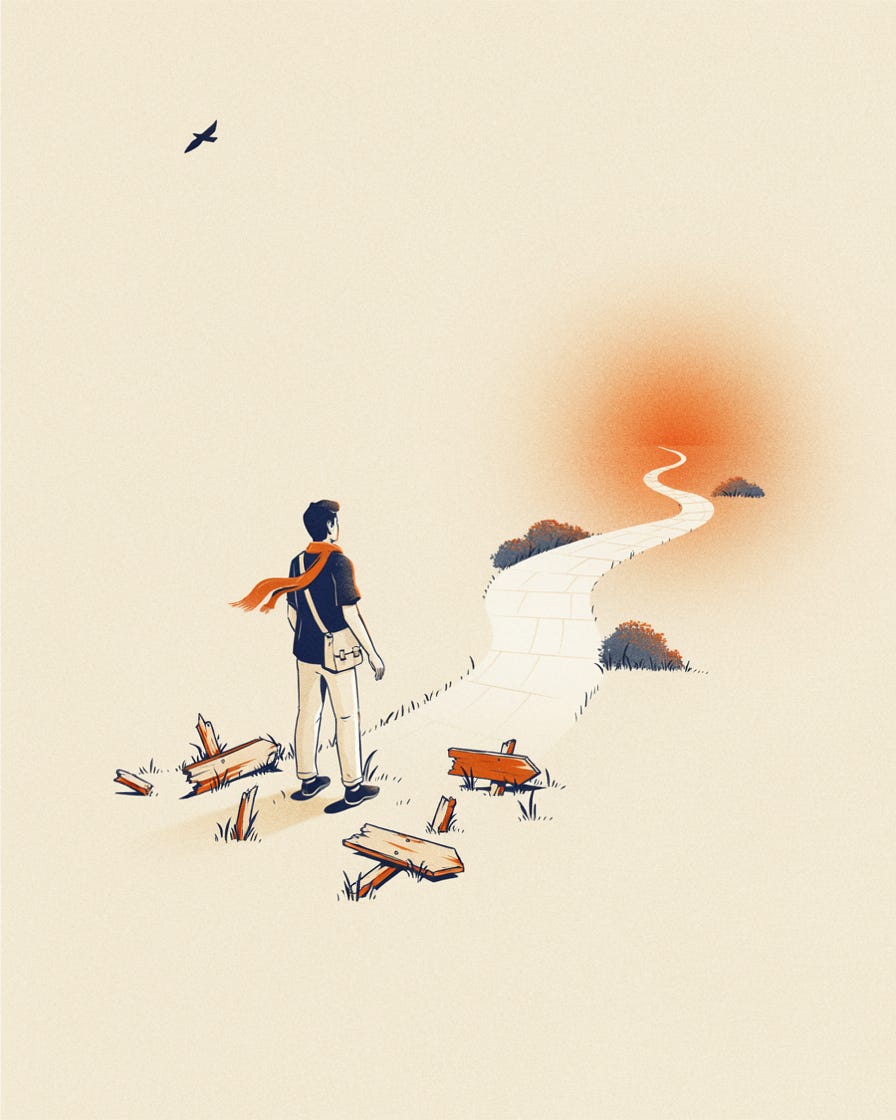
I’ve started and killed three businesses. Not “pivoted.” Not “sunset for strategic reasons.” Killed. As in, spent money, spent months, told people it was going to work, and then quietly stopped talking about it.
If you’ve done this even once, you already know the specific kind of tired that comes with it. It’s not the tiredness from working hard. It’s the tired from working hard on the wrong thing and not realizing it until you’re six months in.
I’m not writing this to sell you a dream. I’m writing it because somewhere around business number three, I got honest with myself, and that honesty is the actual reason things finally clicked. Not a new platform. Not a new niche. Not a secret funnel. A different way of thinking about what I was doing. Along the way, one resource that actually helped me get my footing was Home Business Academy—not because it handed me a shortcut, but because it gave me a structure I didn’t have to invent myself.
Business One: I Chased the Idea, Not the Skill
My first business was an e-commerce store selling a product I’d seen do well for someone else. I didn’t understand margins. I didn’t understand ad spend. I didn’t understand that “someone else made this work” says almost nothing about whether I could.
I lost money for four months before I admitted it wasn’t coming back. The lesson wasn’t “e-commerce is hard,” even though it is. The lesson was that I’d copied a result without copying the skill underneath it. I wanted the outcome without doing the unglamorous work of actually learning the mechanics.
Business Two: I Built for an Audience That Didn’t Exist Yet
Business two was a coaching offer. I had real knowledge to share, and I assumed that was enough. It wasn’t. I had no audience, no list, no trust built up with anyone. I was trying to sell to strangers who had zero reason to believe me yet.
This one stung more because the product itself was actually decent. But a good product with no distribution is just an expensive hobby. I learned that “build it and they will come” is a lie people tell themselves so they can skip the hard, slow, boring part—actually showing up consistently in front of people before you ask them for anything.
Business Three: I Had an Audience, But No System
By the third attempt, I’d learned the first two lessons. I picked something I understood. I built an audience first. And I was still burned out because I had no system. Every day was reactive. I was creating content, chasing platforms, testing offers, and doing all of it from scratch, every single time, with no repeatable process behind any of it.
That’s the one that almost made me quit for good. Not because it failed loudly. Because it failed quietly, from exhaustion, one unfinished task at a time.
What Actually Changed
Here’s the boring truth: what changed wasn’t a tactic. It was that I stopped treating every business like a fresh improvisation and started treating it like a system I could build once and repeat.
Three specific shifts mattered more than anything else:
**I picked one lane and stayed in it long enough to get good at it.** Not six weeks. Months. I stopped hopping to the next shiny opportunity every time growth felt slow.
**I built the audience before I built the ask.** Every piece of content, every comment, every email existed to build trust first. The offer came after, not before.
**I stopped reinventing the process every time.** This is the part nobody wants to hear because it’s not exciting. But repeatable templates, repeatable email sequences, repeatable content structures—that’s what let me stop starting from zero every single day.
Honestly, getting that third piece in place is what Home Business Academy helped me with the most. It wasn’t a magic switch. It was a framework that forced me to stop treating my business like a series of one-off experiments and start treating it like an actual operation with steps I could repeat. If you’re at the point where you know what to do but you’re rebuilding your process from scratch every week, that structure alone is worth looking at.
What I’d Tell the Version of Me on Business One
If I could go back, I wouldn’t tell myself to work harder. I worked plenty hard on all three failures. I’d tell myself to slow down on the idea and speed up on the boring stuff: pick a lane, build trust before you sell, and build a system you can actually repeat without burning out.
None of that sounds like a headline. It won’t get you a “10x your income” thumbnail. But it’s the actual thing that separates the businesses that survive year one from the ones that quietly disappear.
If you’ve got a business graveyard of your own, you’re not behind. You’re just further along in the process of figuring out what actually works than someone who hasn’t failed yet. The failures aren’t the problem. Staying reactive forever is.
That’s the whole shift. Not louder. Not faster. Just a system, finally, instead of three separate improvisations that happened to share my name.
If you want a look at the structure that finally gave me that system, [Home Business Academy] is worth checking out—it’s the closest thing I’ve found to a repeatable playbook instead of another one-off experiment.